Search Now...
Search
Discover how Upwind’s eBPF-powered runtime context reduces scan noise, detects live exploits, and strengthens cloud-native security for DevOps teams.
DeepL teams up with Phrase to show how Language AI and TMS integration can elevate translation workflows. By combining features like formal/informal tone control, next-gen AI models, glossaries, and seamless use of translation memories, businesses can achieve more accurate, brand-aligned translations. With automation through Phrase TMS, companies can localize content faster while maintaining consistency, quality, and security across global markets.
Kerim Satirli of HashiCorp shares insights on infrastructure, security, and developer tooling—plus what’s new with Vault and HashiCorp’s cloud-native vision at KubeCon.
With GitLab, Deutsche Telekom has created a single source of truth for the company's developers, driving increased productivity, enhanced security, and faster time to market.
DevOps brought developers and operations together to improve software delivery speed and reliability. Now, Platform Engineering builds on that foundation—enabling development teams with self-service tools, golden pathways, and smoother workflows. This article explores how Platform Engineering complements DevOps, supports scale without sacrificing autonomy, and helps high-performing teams reduce complexity while boosting productivity.
DevOps tools streamline automation, but tool overload causes chaos. Discover why tool simplicity, seamless integration, and usability matter—and how tool sprawl is becoming a major DevOps challenge.
AI-assisted development is no longer a futuristic concept; it's the present reality. With AI accelerating the development velocity, can your legacy and fragmented tooling help you sustain the frequent code deployments?
Learn how Devtron helps DevOps teams with monitoring and logging to solve Kubernetes performance and troubleshooting.
Discover KIP-1150 Diskless Topics now live in Aiven Kafka BYOC, enabling Apache Kafka on AWS, Google Cloud, and Azure to write directly to object storage. Learn how this innovation slashes costs by up to 80%, eliminates operational toil, and maintains 100% Apache Kafka compatibility, ensuring zero vendor lock-in and a single logical cluster for all streaming workloads.
Easy access to Docker container logs is essential for effective development and debugging. This guide explores how to view and manage Docker logs using the docker logs command, Docker Compose, and Docker Desktop. It also covers where logs are stored, how to clear them, and best practices for centralized logging, log rotation, and structured output. Whether you're just starting with Docker or optimizing a production setup, this article will help you tailor container observability to your needs.
Docker’s Hardened Images (DHI) are secured by a dual approach: human expertise backed by AI. Discover how Docker’s internal AI guardrail spotted a critical logic flaw in an nginx-exporter update, blocked the release, and contributed the fix upstream, proving AI is the best force multiplier for security architects
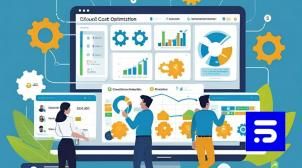
In the 2025 State of FinOps report, workload optimization and waste reduction once again top the list of priorities—but this time, it's about action, not just visibility. As FinOps matures, the focus is shifting from simply identifying inefficiencies to systematically fixing them through built-in workflows, context-rich insights, and tighter engineering integration. This article explores how governance, automation, and cultural alignment are shaping the next frontier of FinOps—where every dollar saved is tracked, verified, and sustained at scale.